Easy Kimchi Fried Rice
Kimchi fried rice, or kimchi bokkeumbap, is cooked rice stir-fried with fermented kimchi until the grains are hot and coated in tangy seasoning. This two-serving version suits a quick lunch or weeknight dinner when you already have safely refrigerated rice.
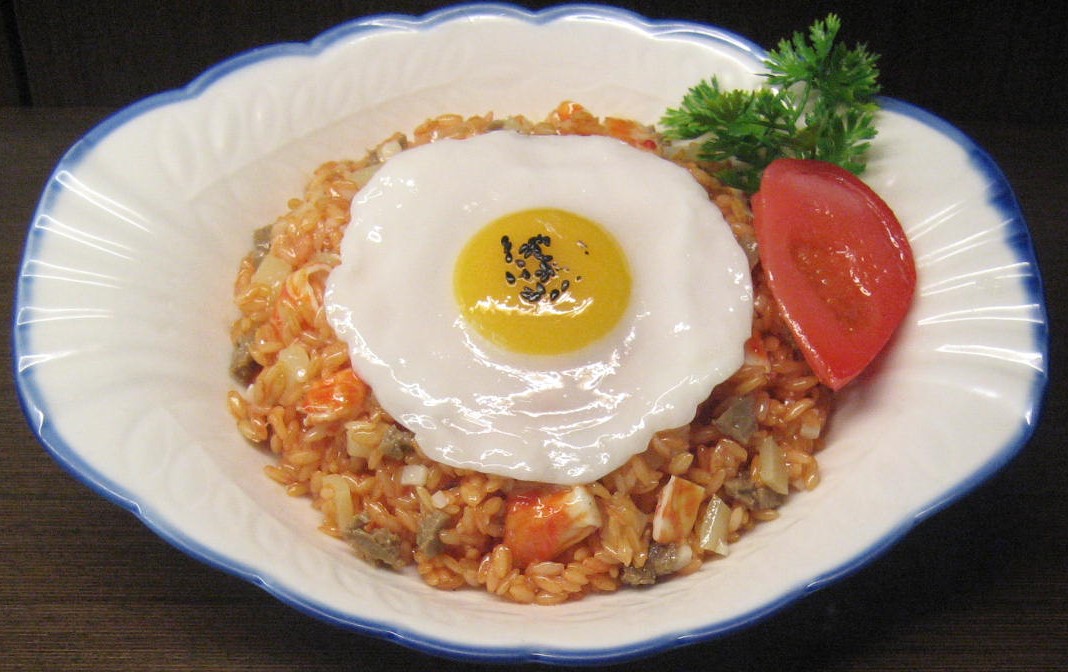
Easy Kimchi Fried Rice: Recipe Card
- Servings
- 2 main-dish servings
- Prep time
- 10 minutes
- Cook time
- 12 minutes
- Total time
- 22 minutes
Measures use US cups, tablespoons and teaspoons; metric equivalents are rounded kitchen conversions. For chopped ingredients, weights are the more consistent guide.
Ingredients
- 2 cups (320 g) cooked short- or medium-grain white rice, refrigerated promptly after cooking
- 1 cup (150 g) chopped ripe napa cabbage kimchi, measured after lightly draining
- 1 tablespoon (15 mL) kimchi brine, reserved separately
- 1 tablespoon (15 mL) neutral cooking oil
- 1/4 cup (40 g) finely diced yellow onion
- 1/4 cup (25 g) thinly sliced scallions, white and green parts separated
- 1 teaspoon (5 g) gochujang, optional
- 1 teaspoon (5 mL) reduced-sodium soy sauce
- 1 teaspoon (5 mL) toasted sesame oil
Numbered steps
- Prepare the rice and kimchi. Break the cold rice into small clumps with a spoon. Lightly drain the kimchi over a bowl, reserve 1 tablespoon (15 mL) of brine, then chop the cabbage into small pieces. Set everything beside the stove before heating the pan.
- Soften the aromatics. Heat a 10- to 12-inch (25- to 30-cm) skillet over medium-high heat. Add the neutral oil, onion and scallion whites. Stir for 2 minutes, lowering the heat if the onion starts to scorch.
- Cook off excess kimchi moisture. Add the chopped kimchi and stir-fry for 3 minutes, until softened and the pan no longer contains a pool of liquid. Stir in the optional gochujang for 30 seconds.
- Fry the rice. Add the rice, reserved brine and soy sauce. Press apart the remaining clumps, then stir-fry for 5 to 6 minutes. The grains should be evenly colored. Use a food thermometer to confirm the rice reaches 165°F (74°C) throughout. If the pan dries before the rice is hot, add 1 tablespoon (15 mL) water and keep stirring.
- Finish and serve. Remove from the heat. Fold in the sesame oil and scallion greens, and divide between two bowls. Taste before adding any extra salt: kimchi and gochujang already contribute plenty of seasoning. Serve immediately.
Failure-prevention tips
- Drain, do not rinse, the kimchi. Too much brine makes rice steam instead of fry; the measured spoonful brings back flavor without flooding the pan.
- Use a roomy skillet. If doubling the recipe, cook two batches instead of crowding a small pan.
- Cold rice is convenient, but safe handling matters more than its age. Never use rice that sat out overnight; reheating cannot reliably remove toxins formed during poor storage.
- No cooked rice on hand? Make rice separately according to its package, allow its steam to disperse briefly, and use it immediately. That rice-cooking time is not included in this 22-minute recipe.
Ingredient swaps
- Rice: use 2 cups (320 g) cooked jasmine rice instead of short-grain rice. Break it up gently; the grains will be less sticky.
- Gochujang: omit the optional teaspoon if unavailable. This remains kimchi fried rice; there is no need to build a substitute paste.
- Onion: replace the diced yellow onion with 1/4 cup (40 g) finely diced bell pepper. Cook until softened before adding kimchi.
- Sesame oil: use 1 teaspoon (5 mL) neutral oil if avoiding sesame. The toasted aroma will be absent. For a sesame allergy, also check the kimchi, gochujang and other packaged ingredients for sesame and cross-contact warnings.
- Kimchi: look in the refrigerated produce section or at H Mart. Sauerkraut is not an equivalent substitute and would make a different rice dish.
Allergy notes and vegetarian variation
Check kimchi for fish sauce, anchovies or salted shrimp; it is not automatically vegetarian. Soy sauce and gochujang may contain wheat and soy, and sesame oil contains sesame. For a vegetarian or vegan version, use explicitly vegan kimchi and gochujang. For gluten avoidance, choose labeled gluten-free kimchi, gochujang and tamari, replacing soy sauce with 1 teaspoon (5 mL) gluten-free tamari; check every label and avoid cross-contact.
Storage and leftovers
Use cooked rice refrigerated at 40°F (4°C) or below for no more than 3 to 4 days total from its original cooking date, including time before frying. Refrigerate this fried rice promptly in shallow containers within 2 hours, or within 1 hour above 90°F (32°C). Reheat only the portion needed to 165°F (74°C), as measured with a food thermometer, stirring so no cold spots remain; discard anything left out too long. For longer storage, freeze promptly at 0°F (-18°C) or below; thaw in the refrigerator before reheating. Freezer storage time affects quality.
What to cook next
Pair this rice dish with Korean Egg Roll (Gyeran Mari) for a simple meal.
Frequently asked questions
Can I use fresh kimchi?
Yes, but it will taste milder and less tangy than ripe fermented kimchi. Cook it until softened and avoid adding extra liquid to compensate.
Does this need an egg?
No. The base recipe is complete without one. If you add a separately cooked egg, cook both the white and yolk until firm for the safest serving.
Food safety sources
Editorial note: This recipe guide has not been kitchen-tested by our team. Cooking times are estimates; use the stated food-temperature and doneness checks. Last reviewed: October 16, 2026.